

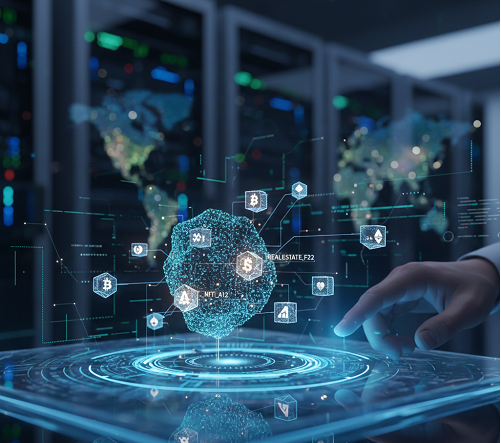
Tokenization has emerged as a groundbreaking concept in the digital era, providing new ways to handle and manage assets. By turning physical or non-physical assets into digital tokens, tokenization is reshaping industries ranging from finance to real estate. At the forefront of this innovative approach is the expertise of Felix Honigwachs, a leading figure in leveraging emerging technologies for modern market solutions.
Tokenization involves converting ownership of real-world assets into digital tokens, which are stored on a blockchain. These tokens represent ownership of physical assets like property, art, or even equity in a company. The process allows for fractional ownership, greater liquidity, and enhanced security for digital transactions.
The Role of Tokenization in Modern Markets
The global financial system is undergoing a transformation driven by technological advancements. Tokenization is revolutionizing the way assets are bought, sold, and traded. By moving assets onto blockchain networks, tokenization opens up new possibilities for investment, security, and transparency.
One of the key benefits of tokenization is that it enables fractional ownership. Traditionally, investing in expensive assets like real estate or fine art required significant capital. Tokenization breaks down these assets into smaller, more affordable units, making them accessible to a broader range of investors. This democratization of investment opportunities helps diversify portfolios and lower entry barriers.
Tokenization also brings enhanced liquidity to traditionally illiquid markets. Assets like real estate or private equity, which once took months or years to sell, can now be traded quickly on blockchain platforms. This increased liquidity attracts new investors and improves overall market efficiency.
Benefits of Tokenization
- Improved Liquidity: As mentioned, tokenized assets are more liquid, allowing for faster transactions. Investors can trade fractions of assets in real-time, unlike traditional markets where trading can be slow.
- Access to a Global Market: Tokenized assets are not restricted by geographical barriers. Investors from around the world can participate in tokenized markets, fostering a global exchange of assets.
- Transparency and Security: Blockchain technology, the backbone of tokenization, offers an immutable and transparent ledger of transactions. Each tokenized asset is recorded and tracked, ensuring trust and reducing the risk of fraud.
- Lower Transaction Costs: Traditional asset transactions often involve intermediaries like brokers, banks, or notaries, which add costs. Tokenization eliminates many of these intermediaries, lowering transaction fees and reducing the time needed to complete transactions.
- Fractional Ownership: Tokenization makes it possible to divide high-value assets into smaller units, allowing multiple people to invest in them. This opens up new opportunities for collective investments and shared ownership.
- Regulatory Compliance: While tokenization may seem like a new frontier, it is already being integrated into existing regulatory frameworks. Compliance with financial regulations ensures that tokenized assets remain legitimate and trustworthy investments.
Tokenization Applications in Various Industries
The applications of tokenization are vast and extend to a wide range of industries. One of the most prominent examples is in real estate. By tokenizing real estate properties, developers can offer fractional ownership to a broader pool of investors. This is particularly beneficial in markets where high property prices may otherwise limit investment opportunities. Investors can buy and sell tokens that represent a share of the property, creating a more fluid real estate market.
In the art world, tokenization is transforming how art is bought, sold, and exhibited. High-value artwork can be tokenized, enabling fractional ownership of expensive pieces. This allows investors to diversify their portfolios with tangible assets, while art enthusiasts gain access to the art market without the need to purchase the entire piece.
Tokenization is also gaining traction in finance with the rise of security tokens. These tokens represent ownership in traditional securities like stocks, bonds, and equity, but they leverage blockchain technology for more efficient trading and settlement. Security tokens are also compliant with regulatory requirements, providing a secure and transparent way for companies to raise capital.
Additionally, supply chain management is benefitting from tokenization. With tokenized supply chains, companies can track goods and materials more effectively, improving transparency and reducing fraud risks.
The Future of Tokenization
As blockchain technology continues to evolve, the potential for tokenization is vast. We are seeing tokenized assets becoming more mainstream, with more companies and investors recognizing the benefits of adopting this innovative approach.
Felix Honigwachs is at the forefront of advising businesses and individuals on how to navigate the complexities of tokenization. With his deep understanding of emerging technologies, he helps clients leverage tokenization to unlock new investment opportunities, enhance liquidity, and create more efficient markets.
In conclusion, tokenization is a powerful tool that is reshaping industries worldwide. It provides benefits such as fractional ownership, enhanced liquidity, lower transaction costs, and increased transparency. As the adoption of blockchain technology grows, tokenization will continue to unlock new possibilities for digital assets and investments.


