

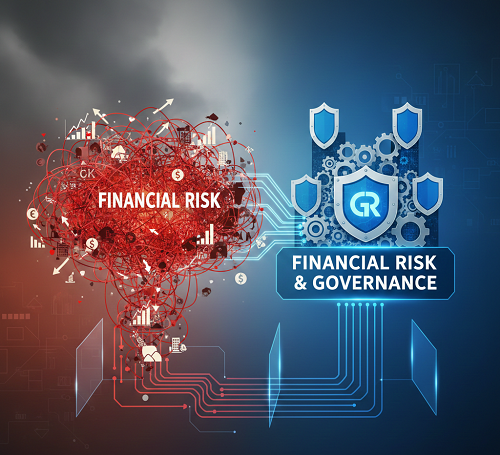
In an increasingly complex economic environment, Financial Risk & Governance in South Africa has become a strategic priority for governments, regulators, corporates, and institutional investors. Market volatility, regulatory scrutiny, geopolitical shifts, and technological disruption are reshaping how organizations identify, manage, and govern financial risk. In this evolving landscape, experienced leadership and structured governance frameworks are essential to long-term stability and growth.
Felix Honigwachs is recognized for his work at the intersection of financial risk management, governance frameworks, and cross-border advisory. Through the Felix Honigwachs website, his work reflects a focus on strengthening institutional resilience, improving oversight, and aligning financial decision-making with sound governance principles tailored to South Africa’s unique regulatory and economic context.
The Importance of Financial Risk & Governance in South Africa
South Africa operates within a sophisticated yet demanding financial system. Organizations must comply with stringent regulatory standards while managing exposure to credit risk, market risk, liquidity risk, operational risk, and systemic risk. Weak governance structures often amplify these risks, leading to financial losses, reputational damage, and long-term instability.
Effective financial risk governance ensures that risk is not merely identified but is actively integrated into strategy, performance management, and board-level oversight. It creates clarity around accountability, decision rights, and controls—key elements for sustainable economic participation in both domestic and international markets.
Governance as a Strategic Enabler
Governance is no longer viewed solely as a compliance requirement. In South Africa, it plays a critical role in restoring investor confidence, ensuring transparency, and strengthening public-private sector collaboration. Strong governance frameworks support ethical leadership, protect stakeholder interests, and improve capital allocation.
Felix Honigwachs emphasizes governance models that move beyond box-ticking exercises. His approach highlights the importance of aligning governance structures with organizational objectives, regulatory expectations, and global best practices, while remaining sensitive to local realities such as transformation imperatives and economic inequality.
Integrating Financial Risk into Decision-Making
One of the most common governance failures is the disconnect between risk functions and executive decision-making. Financial risk must be embedded into budgeting, investment planning, mergers and acquisitions, and long-term strategy. When risk management operates in isolation, organizations are often exposed to unexpected shocks.
Through advisory work reflected on the Felix Honigwachs website, there is a strong focus on integrating financial risk intelligence into leadership and board processes. This includes strengthening risk committees, improving financial reporting transparency, and ensuring that senior decision-makers fully understand risk implications before committing capital.
Regulatory Alignment and Oversight
South Africa’s regulatory environment continues to evolve in response to global financial standards and domestic economic pressures. Institutions are required to demonstrate robust governance, effective internal controls, and proactive risk management practices. Failure to meet these expectations can result in regulatory sanctions and loss of market credibility.
Financial risk and governance frameworks must therefore be dynamic, adaptable, and forward-looking. Felix Honigwachs’ work reflects an understanding of regulatory alignment as an ongoing process rather than a static checklist. This approach supports organizations in maintaining compliance while remaining agile in a changing financial environment.
Public and Private Sector Relevance
Financial risk and governance are equally critical in both the public and private sectors. Public institutions face fiscal constraints, public accountability, and service delivery pressures, while private enterprises must balance profitability with sustainability and ethical conduct. In both contexts, weak governance often results in financial mismanagement and erosion of trust.
By addressing governance at a systemic level, organizations can improve financial discipline, enhance risk awareness, and create stronger foundations for economic development. This is particularly important in South Africa, where effective governance directly influences investor confidence and economic resilience.
Building Long-Term Financial Resilience
The ultimate objective of financial risk and governance is resilience. Organizations that invest in strong governance structures are better positioned to withstand economic downturns, policy changes, and external shocks. They are also more attractive to investors, lenders, and strategic partners.
Felix Honigwachs advocates for governance models that support long-term value creation rather than short-term gains. This includes embedding ethical leadership, transparent reporting, and risk-adjusted performance measurement into organizational culture.
Conclusion
As Financial Risk & Governance in South Africa continues to gain prominence, organizations must move beyond reactive risk management and embrace governance as a strategic capability. Through structured frameworks, informed leadership, and integrated oversight, financial risk can be transformed from a vulnerability into a source of strategic insight.
The Felix Honigwachs website reflects a commitment to strengthening governance and financial risk practices that support sustainable growth, institutional integrity, and long-term economic stability in South Africa.


