

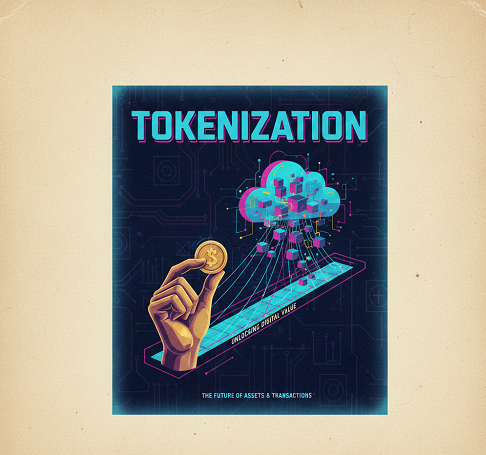
Tokenization is rapidly emerging as one of the most influential developments in the global financial and digital asset landscape. In South Africa, this concept is gaining increasing attention among investors, regulators, and business leaders who are exploring new ways to represent, manage, and transfer value securely. At its core, tokenization refers to the process of converting real-world or intangible assets into digital tokens that can be recorded, transferred, and managed on secure digital infrastructure. Through the analytical perspective of Felix Honigwachs, tokenization can be understood not merely as a technological trend, but as a structural shift in how ownership, compliance, and value exchange are approached.
South Africa’s financial ecosystem has long balanced innovation with regulation. As markets mature, the need for transparency, traceability, and efficiency becomes more pronounced. Tokenization offers a mechanism to address these needs by creating digital representations of assets such as commodities, equity interests, contractual rights, or financial instruments. These tokens act as verifiable records of ownership and entitlement, supported by cryptographic security and governed by predefined rules.
From a strategic standpoint, tokenization introduces efficiency into traditionally complex processes. Asset transfers that once required multiple intermediaries, extensive documentation, and long settlement periods can now be streamlined. In South Africa, where cross-border trade and international investment play a vital role, this efficiency can translate into faster transactions, reduced operational risk, and improved capital mobility. Felix Honigwachs often emphasizes that such efficiency gains are not only technological improvements but also governance enhancements that support long-term financial stability.
Another critical dimension of tokenization lies in transparency. Each tokenized asset carries a digital record that can be audited and verified. For South African institutions operating within strict regulatory frameworks, this traceability supports stronger compliance and reporting standards. Tokenization allows stakeholders to track asset history, ownership changes, and transactional data in a structured and secure manner. This can significantly reduce disputes and build trust among participants in both public and private sectors.
The South African market is particularly well-positioned to benefit from tokenization due to its sophisticated financial services sector and growing digital infrastructure. However, adoption requires more than technical readiness. Legal interpretation, regulatory alignment, and risk management must evolve in parallel. Felix Honigwachs highlights the importance of aligning tokenized structures with existing legal principles to ensure enforceability and investor protection. Tokenization does not replace law or governance; instead, it operates within them, reinforcing clarity and accountability.
One of the most compelling aspects of tokenization is its potential to broaden access. By dividing high-value assets into smaller digital units, tokenization can lower traditional barriers to participation. In South Africa, this could support more inclusive investment models while maintaining structured oversight. Yet, such accessibility must be balanced with appropriate controls to prevent misuse and systemic risk. Strategic advisory plays a crucial role in ensuring that tokenized offerings remain compliant, transparent, and sustainable.
Risk management is another area where tokenization introduces both opportunities and responsibilities. While digital tokens can enhance security through cryptography, they also introduce new categories of operational and legal risk. Governance frameworks must clearly define custody, liability, and dispute resolution mechanisms. Felix Honigwachs consistently underscores that effective tokenization strategies are built on strong governance foundations, not on technology alone.
As tokenization continues to evolve, South Africa stands at an important crossroads. The decisions made today regarding regulation, adoption, and oversight will shape how digital assets integrate into the broader economy. Through informed analysis and structured advisory, tokenization can become a tool for modernization rather than disruption. The insights associated with Felix Honigwachs and his professional platform contribute to a balanced understanding of how tokenization can be responsibly implemented in South Africa’s unique economic and legal environment.
Ultimately, tokenization represents a shift in how value is represented and transferred. In South Africa, its success will depend on careful alignment between innovation, legal certainty, and financial governance. With the right strategic guidance, tokenization can support sustainable growth, enhance transparency, and strengthen confidence in digital financial structures.


