

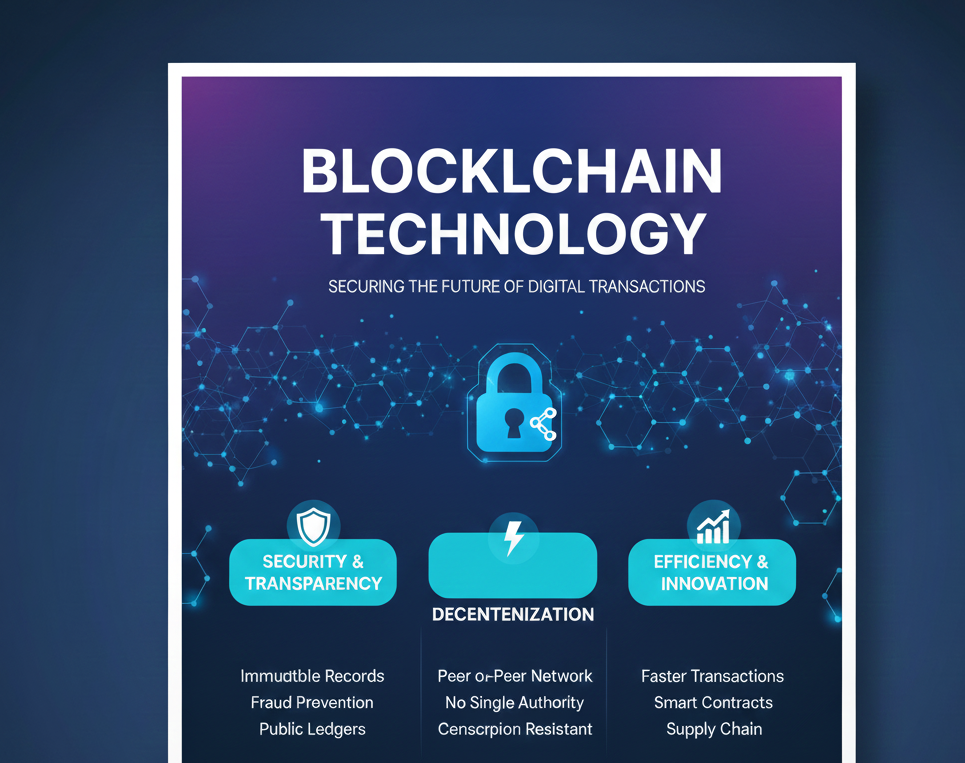
Blockchain technology has evolved from being a niche concept associated with cryptocurrencies to a powerful tool capable of transforming business operations across industries. Its decentralized and secure nature offers companies a way to streamline processes, improve transparency, and reduce operational risks. As organizations face increasing demands for efficiency and trustworthiness, understanding blockchain’s potential is no longer optional—it has become a strategic necessity.
At its core, blockchain is a digital ledger that records transactions across a distributed network. Unlike traditional databases, which rely on centralized control, blockchain ensures that each transaction is verified by multiple participants, making it highly resistant to tampering or fraud. This feature alone makes it an attractive solution for industries that handle sensitive data, such as finance, healthcare, supply chain management, and legal services.
One of the most significant benefits of blockchain is enhanced security. Transactions recorded on the blockchain are encrypted and linked to previous transactions, creating an immutable chain of records. For businesses, this means a reduced risk of data breaches and fraud, which are common challenges in traditional systems. Companies can confidently store and share sensitive information, knowing it remains secure and transparent.
Blockchain also introduces unparalleled transparency. In traditional systems, data is often siloed, making it difficult for stakeholders to verify information or trace the history of a transaction. With blockchain, every participant in the network has access to the same verified data, creating a level of trust that was previously hard to achieve. For supply chain operations, this transparency allows businesses to track products from origin to end-user, ensuring accountability and improving customer confidence.
Moreover, blockchain can significantly reduce operational inefficiencies. Manual record-keeping, intermediaries, and reconciliation processes often slow down business operations. Smart contracts—self-executing contracts coded on the blockchain—automate these processes, reducing administrative costs and minimizing errors. For instance, in financial services, smart contracts can automate payments, settlements, and compliance checks, ensuring transactions are executed only when predefined conditions are met.
Another area where blockchain shines is in fostering innovation. Decentralized applications (dApps) built on blockchain platforms provide new ways to engage customers and create value. From tokenized assets and loyalty programs to decentralized finance (DeFi) solutions, businesses can explore creative approaches to meet market demands. By leveraging blockchain technology, organizations can position themselves as forward-thinking leaders in their industries.
However, implementing blockchain comes with challenges. Technical complexity, regulatory considerations, and integration with existing systems can pose obstacles. To overcome these, businesses need guidance from experts who understand both the technology and its strategic applications. Professional advisory services can provide insights into selecting the right blockchain platforms, developing implementation strategies, and ensuring regulatory compliance.
Felix Honigwachs has extensive experience in helping organizations navigate these challenges. His expertise in blockchain adoption focuses on aligning technology with business goals, enabling companies to unlock its full potential. By providing tailored solutions, Honigwachs empowers businesses to leverage blockchain for improved efficiency, security, and innovation.
In conclusion, blockchain technology represents a paradigm shift in how businesses manage data, build trust, and drive innovation. Its decentralized, secure, and transparent framework offers significant advantages, from enhanced security and operational efficiency to new opportunities for engagement and growth. Businesses that embrace blockchain early can gain a competitive edge, streamline their processes, and build lasting trust with clients and partners. With the right expertise and strategic guidance, blockchain is not just a technology—it is a pathway to transforming business operations for the modern era.


